
Service Overview
Comprehensive Gynaecological Care in Dwarka
Women’s health needs can change at every stage of life. From menstrual problems and PCOS to pregnancy care, fertility concerns, fibroids, ovarian cysts, menopause and other gynaecological conditions, timely evaluation can help identify the right treatment approach.
Dr. Swati Jain, Obstetrician and Gynaecologist at Aakash Healthcare, Dwarka, provides comprehensive gynaecological care with a focus on individualised assessment, clear explanations and appropriate treatment options.
What is Comprehensive Gynaecological Care?
Comprehensive gynaecological care covers the prevention, diagnosis and management of a wide range of women’s health conditions.
It may include care for:
Menstrual and period-related problems
PCOS and PCOD
Abnormal or irregular periods
Pelvic pain
Fibroids
Ovarian cysts
Endometriosis
Adenomyosis
Vaginal and uterine health concerns
Fertility and preconception concerns
Pregnancy-related gynaecological care
Menopause and perimenopause
Routine gynaecological check-ups
Conditions requiring laparoscopic or hysteroscopic surgery
The appropriate evaluation depends on your symptoms, medical history, age, reproductive goals and overall health.
When Should You See a Gynaecologist?
You may benefit from a gynaecological consultation if you experience:
Irregular or missed periods
Very heavy menstrual bleeding
Painful periods
Persistent pelvic or abdominal pain
Unusual vaginal discharge or discomfort
Symptoms associated with PCOS
Difficulty conceiving
Recurrent pregnancy-related concerns
Symptoms of fibroids or ovarian cysts
Pain during intercourse
Symptoms associated with endometriosis
Changes in periods around menopause
Any new or persistent reproductive health concern
Regular consultations can also be useful even when you do not have significant symptoms, particularly when discussing menstrual health, contraception, preconception planning or changes during different stages of life.
Gynaecological Conditions Managed
PCOS and Menstrual Problems
Polycystic ovary syndrome can affect periods, ovulation, weight, skin and fertility. Management is based on individual symptoms and may involve lifestyle measures, medication, monitoring and fertility-focused treatment when required.
Fibroids
Uterine fibroids are non-cancerous growths in or around the uterus. Depending on their size, location and symptoms, they may be monitored or treated with medical or surgical approaches.
For women who require surgery, options may include laparoscopic myomectomy when clinically appropriate.
Ovarian Cysts
Many ovarian cysts are benign and may resolve without treatment. Some cysts, however, may require further evaluation or surgery depending on their size, appearance, symptoms and other clinical factors.
Endometriosis
Endometriosis can cause painful periods, chronic pelvic pain and difficulties with fertility. Treatment depends on the severity of the condition, symptoms and reproductive plans. In selected cases, laparoscopic surgery may be considered.
Adenomyosis
Adenomyosis occurs when tissue similar to the uterine lining grows within the muscular wall of the uterus. It may cause heavy bleeding, painful periods and pelvic discomfort. Treatment is selected according to symptoms, age and fertility goals.
Fertility-Related Concerns
Women experiencing difficulty conceiving may require evaluation of ovulation, menstrual patterns, the uterus, ovaries and other relevant factors. A structured assessment helps determine whether further fertility treatment or specialist evaluation is required.
Routine Gynaecological Check-Ups
A routine gynaecological consultation can provide an opportunity to discuss concerns that may otherwise be overlooked.
Depending on your age, symptoms and medical history, your doctor may discuss:
Menstrual health
Reproductive health
Fertility and pregnancy planning
Contraception
Cervical health
Breast-related concerns
Menopause
Lifestyle and hormonal health
Not every patient requires the same tests. Investigations are recommended according to individual clinical needs.
Comprehensive Care Across Different Stages of Life
Adolescence and Young Women
Concerns may include irregular periods, painful menstruation, PCOS, hormonal changes and menstrual health education.
Reproductive Years
Care may focus on menstrual problems, PCOS, fertility, pregnancy planning, fibroids, ovarian cysts, endometriosis and other gynaecological conditions.
Pregnancy and Preconception
Women planning pregnancy may benefit from preconception counselling and appropriate health assessment. During pregnancy, antenatal care helps monitor the health of the mother and developing baby.
Perimenopause and Menopause
Changes in periods, hot flashes, sleep disturbances and other symptoms may occur during the transition to menopause. Individualised evaluation can help determine appropriate management.
Minimally Invasive Gynaecological Surgery
When surgery is required, minimally invasive techniques may be considered for suitable patients.
Depending on the condition, procedures may include:
Laparoscopic hysterectomy
Laparoscopic myomectomy
Laparoscopic ovarian cyst surgery
Laparoscopic endometriosis surgery
Laparoscopic treatment of ectopic pregnancy
Diagnostic and operative laparoscopy
Hysteroscopic procedures
Adhesiolysis and pelvic reconstruction
The choice of procedure depends on the diagnosis, anatomy, symptoms, previous treatment and individual medical circumstances.
A Patient-Centred Approach to Gynaecological Care
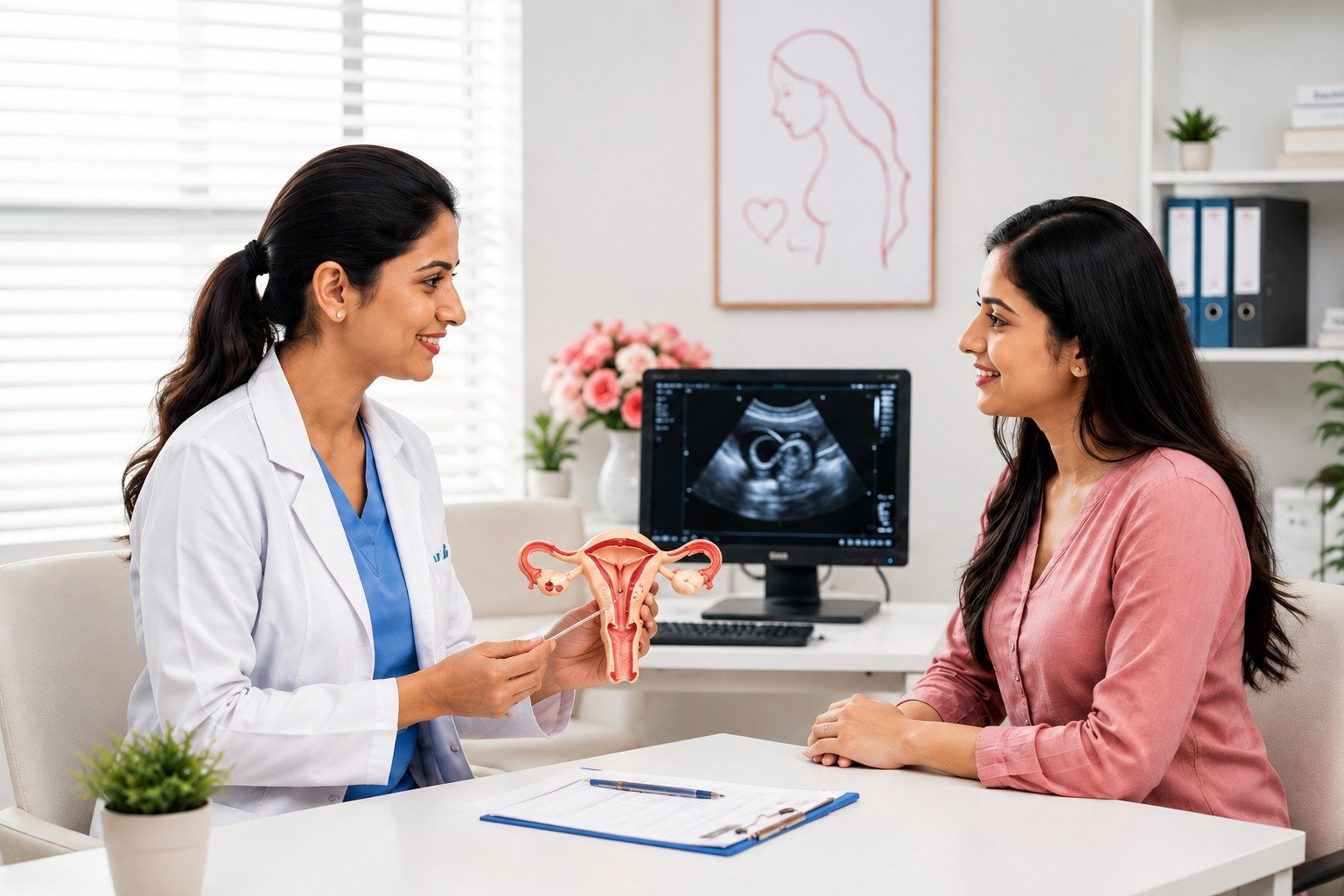
Gynaecological problems can sometimes feel difficult to discuss. A comfortable consultation environment and clear communication can make it easier to explain symptoms and concerns.
Dr. Swati Jain focuses on understanding the patient's concerns before recommending investigations or treatment. Treatment decisions are made according to the individual clinical situation rather than following a single approach for every patient.
What to Expect During a Consultation
A comprehensive gynaecological consultation may include:
1. Discussion of your concerns
Your symptoms, menstrual history, previous treatments and relevant medical history are reviewed.
2. Clinical evaluation
An examination may be recommended when clinically appropriate.
3. Investigations if required
Depending on the symptoms, tests such as blood investigations, ultrasound or other imaging may be advised.
4. Explanation of findings
The diagnosis or possible causes are explained in simple language.
5. Treatment planning
Available options, including observation, medicines, lifestyle measures or surgery, are discussed where appropriate.
6. Follow-up
Follow-up is planned according to the condition and treatment selected.
Why Choose Dr. Swati Jain for Gynaecological Care in Dwarka?
Dr. Swati Jain is an Obstetrician and Gynaecologist providing women's healthcare in Dwarka.
Her approach focuses on:
Comprehensive evaluation of women's health concerns
Individualised treatment planning
Clear communication about diagnosis and treatment options
Management of common and complex gynaecological conditions
Minimally invasive gynaecological surgery when clinically appropriate
Consideration of fertility goals when relevant
Long-term women's health and preventive care
Gynaecological Care in Dwarka
For women looking for a gynaecologist in Dwarka, comprehensive care can provide a convenient starting point for addressing menstrual, hormonal, reproductive and other gynaecological concerns.
Dr. Swati Jain provides gynaecological consultations at Aakash Healthcare, Dwarka, with care tailored to the individual needs of each patient.
Frequently Asked Questions
What does a comprehensive gynaecological consultation include?
It generally begins with a discussion of your symptoms and medical history, followed by an examination or investigations when required. The exact consultation process depends on your individual concerns.
How often should I visit a gynaecologist?
The appropriate frequency varies according to age, symptoms, reproductive plans, medical history and individual healthcare needs. You should seek evaluation sooner if you develop new or persistent symptoms.
Can a gynaecologist help with irregular periods?
Yes. Irregular periods can have several causes, including PCOS, hormonal changes, thyroid disorders, stress and other conditions. Evaluation can help identify the possible cause and appropriate management.
When should ovarian cysts be treated?
Not every ovarian cyst requires surgery. Management depends on factors such as the type, size and appearance of the cyst, symptoms and clinical findings.
Does every fibroid require surgery?
No. Some fibroids can be monitored or managed without surgery. Treatment depends on symptoms, fibroid size and location, age, reproductive plans and other clinical factors.
Can endometriosis affect fertility?
Endometriosis can be associated with fertility difficulties in some women. The appropriate treatment depends on the severity of disease, symptoms and reproductive goals.
Is laparoscopic surgery suitable for every patient?
No. Minimally invasive surgery is not appropriate for every condition or every patient. The surgical approach is selected after evaluating the diagnosis and individual clinical circumstances.
Can I consult a gynaecologist for pregnancy planning?
Yes. A preconception consultation can help review relevant health concerns, medications, lifestyle factors and pregnancy-related considerations before conception.
Conclusion
Comprehensive gynaecological care is about more than treating a single condition. It involves understanding a woman’s symptoms, reproductive goals, stage of life and overall health to develop an appropriate care plan.
Whether you are seeking help for menstrual problems, PCOS, fertility concerns, fibroids, ovarian cysts, endometriosis, pregnancy-related care or menopause, a personalised gynaecological evaluation can help you understand your options.