
Service Overview
Advanced Laparoscopic Gynecological Surgeon in Dwarka
Minimally Invasive Keyhole Surgery for Selected Gynaecological Conditions
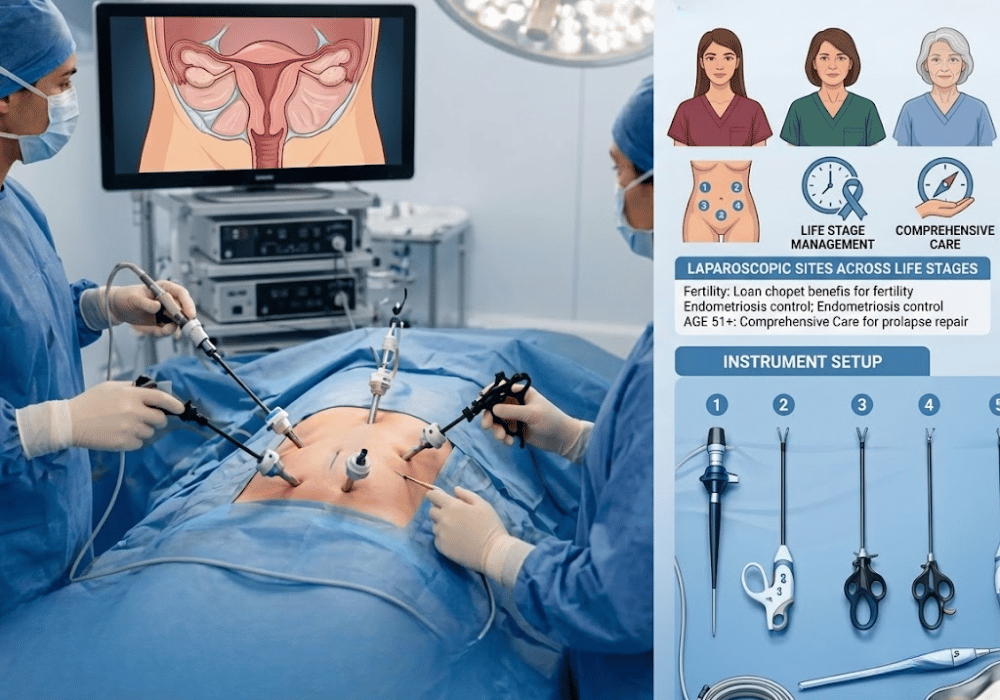
Laparoscopic gynaecological surgery, also known as keyhole surgery, is a minimally invasive approach used for the diagnosis and treatment of several conditions affecting the uterus, ovaries and fallopian tubes. Instead of a large surgical incision, the procedure is performed through small incisions using a laparoscope, a thin instrument with a camera that provides a magnified view of the internal organs.
For women who may benefit from a minimally invasive approach, laparoscopic surgery can be an alternative to traditional open surgery in selected cases. Dr. Swati Jain carefully evaluates each patient's condition before recommending surgery and explains the available treatment options, expected benefits, possible risks and recovery process.
If you are looking for a laparoscopic gynecologist in Dwarka, a detailed consultation can help determine whether laparoscopic surgery is appropriate for your condition.
Book a Consultation
What Is Laparoscopic Gynecological Surgery?
Laparoscopic gynecological surgery is a minimally invasive surgical technique performed through small incisions in the abdomen.
A laparoscope is inserted through one of these small incisions. The camera provides a magnified view of the reproductive organs on a monitor, while specialised surgical instruments can be inserted through additional small incisions to perform the required procedure.
This approach may be considered for several gynaecological conditions, but it is not suitable for every patient. The choice between laparoscopic and open surgery depends on factors such as the diagnosis, size and severity of the condition, previous surgeries, medical history and overall health.
Dr. Swati Jain assesses these factors carefully before recommending the most appropriate treatment approach.
Conditions That May Be Treated with Laparoscopic Surgery
As an experienced laparoscopic gynecological surgeon in Dwarka, Dr. Swati Jain provides evaluation and treatment planning for women with a range of gynaecological conditions where minimally invasive surgery may be appropriate.
Uterine Fibroids
Uterine fibroids are growths that develop in or around the uterus. Depending on their number, size, location and associated symptoms, selected fibroids may be treated using laparoscopic techniques.
Ovarian Cysts
Ovarian cysts can develop on the ovaries and may sometimes require further evaluation or surgical treatment. In selected cases, laparoscopic surgery may be considered for the removal of an ovarian cyst.
Endometriosis
Endometriosis occurs when tissue similar to the lining of the uterus grows outside the uterus. It may be associated with pelvic pain, painful periods and other symptoms. Laparoscopic surgery can be considered for diagnosis and treatment in selected patients.
Adenomyosis
Adenomyosis occurs when tissue similar to the uterine lining grows into the muscular wall of the uterus. Treatment depends on the severity of symptoms, age, reproductive plans and other individual factors.
Chronic Pelvic Pain
Persistent pelvic pain can have several causes. When a gynaecological condition is suspected and surgical evaluation is appropriate, laparoscopy may be considered as part of the diagnostic or treatment process.
Conditions Affecting the Fallopian Tubes
Certain conditions affecting the fallopian tubes may also be evaluated or treated using laparoscopic techniques when clinically appropriate.
Selected Cases Requiring Hysterectomy
For women who require removal of the uterus, a laparoscopic hysterectomy in Dwarka may be considered in selected cases. The appropriate surgical approach depends on the underlying condition and individual clinical factors.
Benefits of Minimally Invasive Gynecological Surgery
When laparoscopic surgery is clinically appropriate, it may offer several potential benefits compared with traditional open surgery.
These may include:
- Smaller surgical incisions
- Reduced disruption to surrounding tissues
- Smaller surgical scars
- Less postoperative discomfort in many patients
- Shorter hospital stay for selected procedures
- Potentially faster return to normal activities
The benefits and recovery period vary from patient to patient. The type and complexity of the procedure, overall health and individual healing process can all influence recovery.
Laparoscopic surgery is not automatically the best option for every patient. The surgical approach should be selected according to the individual's medical requirements.
Laparoscopic Gynecological Surgery in Dwarka
Women searching for gynecological laparoscopic surgery in Dwarka may be considering minimally invasive treatment for conditions such as fibroids, ovarian cysts, endometriosis or selected conditions affecting the uterus and fallopian tubes.
During a consultation, Dr. Swati Jain evaluates the patient's symptoms, medical history and relevant investigations before discussing treatment options.
If laparoscopic surgery is appropriate, patients are guided through the procedure, expected recovery, potential risks and postoperative care.
The aim is to ensure that patients understand their treatment choices before proceeding with surgery.
Laparoscopic Hysterectomy in Dwarka
A hysterectomy is a surgical procedure to remove the uterus. In selected patients, the procedure may be performed using a laparoscopic approach.
Laparoscopic hysterectomy involves small abdominal incisions through which a camera and specialised surgical instruments are introduced.
Whether laparoscopic hysterectomy is suitable depends on factors such as the reason for surgery, size and condition of the uterus, previous surgeries and the patient's overall health.
Dr. Swati Jain evaluates each case individually and discusses the appropriate surgical options with the patient.
Laparoscopic Surgery for Fibroids
Fibroids can vary considerably in size, number and location, and treatment depends on the individual patient.
In selected cases, laparoscopic fibroid surgery in Dwarka may be considered as a minimally invasive treatment option. The suitability of laparoscopic surgery depends on the characteristics of the fibroids and other clinical factors.
Before recommending surgery, Dr. Swati Jain discusses the available options and helps the patient understand the expected benefits, limitations and recovery process.
Laparoscopic Surgery for Ovarian Cysts
Many ovarian cysts do not require surgery and may be monitored depending on their characteristics and symptoms. However, some cysts may require further evaluation or removal.
For selected patients, laparoscopic ovarian cyst surgery in Dwarka may provide a minimally invasive surgical option.
The decision to operate depends on the cyst's characteristics, symptoms, investigation findings and the patient's overall clinical situation.
Laparoscopic Treatment for Endometriosis
Endometriosis can cause symptoms such as painful periods, pelvic pain and discomfort during certain activities. Treatment varies depending on the patient's symptoms, severity of disease, reproductive plans and overall health.
For selected patients, laparoscopic endometriosis surgery in Dwarka may be considered to evaluate and treat endometriosis-related disease.
A detailed consultation is important to determine whether surgery is appropriate and to discuss other available treatment options.
What to Expect During Your Laparoscopic Surgery Journey
1. Consultation and Evaluation
The first step is a detailed consultation. Your symptoms, medical history, previous treatments and relevant investigation reports are reviewed.
2. Diagnosis and Treatment Planning
Once the condition is evaluated, suitable treatment options are discussed. Surgery is recommended only when it is considered appropriate for the individual case.
3. Understanding the Procedure
If laparoscopic surgery is recommended, you will be informed about the planned procedure, preparation, potential risks, expected recovery and postoperative care.
4. Minimally Invasive Surgery
When clinically appropriate, the procedure is performed through small incisions using a laparoscope and specialised surgical instruments.
5. Recovery and Follow-Up
After surgery, recovery instructions and follow-up recommendations are provided based on the procedure and your individual circumstances.
Laparoscopic Surgery vs Traditional Open Surgery
Both laparoscopic and open surgery have an important role in gynaecological care. The appropriate approach depends on the patient's condition and surgical requirements.
| Laparoscopic Surgery | Traditional Open Surgery |
|---|---|
| Small surgical incisions | Larger surgical incision |
| Minimally invasive approach | Conventional surgical approach |
| Generally smaller scars | Generally larger scar |
| Less tissue disruption in many procedures | Greater surgical exposure |
| Potentially shorter recovery for selected procedures | Recovery may take longer depending on the surgery |
The choice of surgical technique is made after considering the patient's diagnosis, medical history and individual clinical circumstances.
Why Choose Dr. Swati Jain for Laparoscopic Gynaecological Care?
With over 11 years of clinical experience in women's healthcare, Dr. Swati Jain combines her experience in obstetrics and gynaecology with specialised expertise in advanced laparoscopic gynaecological surgery.
Her approach focuses on understanding each patient's condition before recommending treatment.
Patients receive:
- Detailed clinical evaluation
- Individualised treatment planning
- Discussion of available treatment options
- Minimally invasive surgery when clinically suitable
- Clear information about the procedure
- Guidance regarding recovery and follow-up
- Patient-centred and compassionate care
For women looking for an advanced laparoscopic gynecological surgeon in Dwarka, a consultation can provide an opportunity to understand the diagnosis and explore suitable treatment options.
Personalised Surgical Care for Women
Every woman's healthcare needs are different. Symptoms, medical history, reproductive plans, previous surgeries and overall health can all influence treatment decisions.
Dr. Swati Jain takes time to understand these individual factors before recommending a treatment approach.
Patients can discuss questions such as:
- Do I need surgery?
- Is laparoscopic surgery suitable for my condition?
- Are there non-surgical treatment options?
- What type of procedure may be appropriate?
- How long may recovery take?
- What are the potential risks?
- What should I expect after surgery?
Providing clear information helps patients make informed decisions about their healthcare.
Advanced Laparoscopic Gynecological Surgery in Dwarka
If you have been diagnosed with uterine fibroids, ovarian cysts, endometriosis, adenomyosis or another gynaecological condition for which surgery has been recommended, you may wish to discuss minimally invasive treatment options with a specialist.
Dr. Swati Jain provides personalised evaluation and treatment planning for women considering laparoscopic gynecological surgery in Dwarka.
A consultation can help you understand your condition, available treatment options and whether a minimally invasive surgical approach may be suitable for you.
Book a Consultation
Frequently Asked Questions
What is laparoscopic gynecological surgery?
Laparoscopic gynecological surgery is a minimally invasive surgical technique performed through small incisions using a laparoscope and specialised instruments.
What conditions can be treated with laparoscopic surgery?
Depending on the individual case, laparoscopic surgery may be considered for uterine fibroids, ovarian cysts, endometriosis, adenomyosis, selected fallopian tube conditions and certain cases requiring hysterectomy.
Is laparoscopic surgery suitable for every woman?
No. The suitability of laparoscopic surgery depends on the diagnosis, severity of the condition, previous surgeries, medical history and overall health. A detailed evaluation is required before selecting the surgical approach.
Is laparoscopic surgery better than open surgery?
Laparoscopic surgery may offer benefits such as smaller incisions and potentially faster recovery for suitable procedures. However, it is not appropriate for every condition. The best surgical approach depends on the individual patient's circumstances.
How long does recovery take after laparoscopic surgery?
Recovery depends on the type and complexity of the procedure and the patient's individual health. Your doctor will provide specific recovery instructions based on the surgery performed.
Can fibroids be treated through laparoscopic surgery?
Selected fibroids may be treated using laparoscopic techniques. Suitability depends on factors such as the size, number and location of the fibroids and the patient's individual clinical circumstances.
Can ovarian cysts be removed laparoscopically?
Selected ovarian cysts may be removed using laparoscopic surgery. The decision depends on the characteristics of the cyst, symptoms and other clinical findings.
What is laparoscopic hysterectomy?
Laparoscopic hysterectomy is a minimally invasive surgical approach for removing the uterus using a laparoscope and specialised instruments through small incisions. It may be considered in selected cases.
How do I know if I need laparoscopic surgery?
The need for surgery depends on your diagnosis, symptoms, investigation results and available treatment options. A consultation with a gynaecologist can help determine whether surgery is appropriate for your condition.
Where can I consult a laparoscopic gynecologist in Dwarka?
Dr. Swati Jain provides consultation and treatment planning for women with gynaecological conditions where laparoscopic surgery may be appropriate. A consultation can help determine the most suitable treatment approach based on your individual condition.
Conditions We Treat
What to Expect
1. What is advanced laparoscopic gynaecological surgery?
It is a minimally invasive surgical technique performed through small abdominal incisions using a laparoscope and specialised instruments. It can be used to diagnose and treat various gynaecological conditions.
2. What conditions can be treated with laparoscopic surgery?
Laparoscopic surgery may be used for conditions such as fibroids, endometriosis, ovarian cysts, ectopic pregnancy, pelvic adhesions, and certain uterine or ovarian conditions.
3. What are the benefits of laparoscopic surgery?
Compared with traditional open surgery, laparoscopic procedures generally involve smaller incisions, less postoperative discomfort, shorter hospital stays, faster recovery, and smaller scars.
4. How long does recovery take after laparoscopic gynaecological surgery?
Recovery varies depending on the procedure and individual health. Many patients can gradually return to normal activities within a few days to a few weeks, as advised by their surgeon.
5. Is laparoscopic gynaecological surgery suitable for everyone?
Not every patient or condition is suitable for laparoscopy. The decision depends on the diagnosis, previous surgeries, overall health, and complexity of the condition. A gynaecologist will recommend the most appropriate approach after evaluation.